Eyeglass Sizes Chart Confusion? How the brand TR90 Reading Glasses Solved My Problem
Okay, let’s get real for a second. I spent way too much time staring at an eyeglass sizes chart, feeling totally lost. Numbers like 52-18-140 meant nothing to me. I just wanted reading glasses that actually fit my face—without sliding down my nose or digging into my temples.
If that frustration sounds familiar, you’re not alone. Here’s what I eventually figured out and how I finally landed on a pair that works.
- Understanding eyeglass sizes doesn’t have to be complicated
- Lightweight frames can make a huge difference for daily reading
- You can find decent reading glasses without breaking the bank
My Problem: The Eyeglass Sizes Chart Made No Sense
I’ve been struggling to read small text for about a year now. I knew I needed reading glasses. But every time I looked at an eyeglass sizes chart online, I got confused. Lens width, bridge width, temple length—which numbers actually matter? What’s considered a medium face?
I ordered two pairs from different brands. Both were wrong. One was too wide, the other pinched behind my ears. I wasted money and time, and I knew I needed a better approach.
Verdict: Before you buy any glasses online, measure a pair that already fits you well. Write down those three numbers printed on the inside of the temple arm. Then compare them to the eyeglass sizes chart for the product you’re eyeing.
How I Searched for the Right Reading Glasses
I started from scratch. For more info in regards to Mozaer Frames have a look at our own webpage. Here’s the step-by-step process I followed:
- Step 1: I measured my old sunglasses. The numbers were 50-20-138.
- Step 2: I looked for reading glasses with similar measurements.
- Step 3: I filtered by frame material. I wanted something lightweight because heavy frames give me headaches.
- Step 4: I read real buyer reviews and checked out photos people posted.
TR90 kept popping up in my search. It’s a flexible, lightweight plastic often used in sports eyewear. That sounded perfect for all-day reading comfort.
Verdict: Always pay attention to the frame material. TR90 is known for being super light and flexible—and that matters if you wear glasses for hours at a time.
Discovering the brand TR90 Reading Glasses
During my search, I stumbled across the the brand Designer collection. They had round-frame TR90 reading glasses in my size range. The product listing was refreshingly clear about measurements—that alone caught my attention.
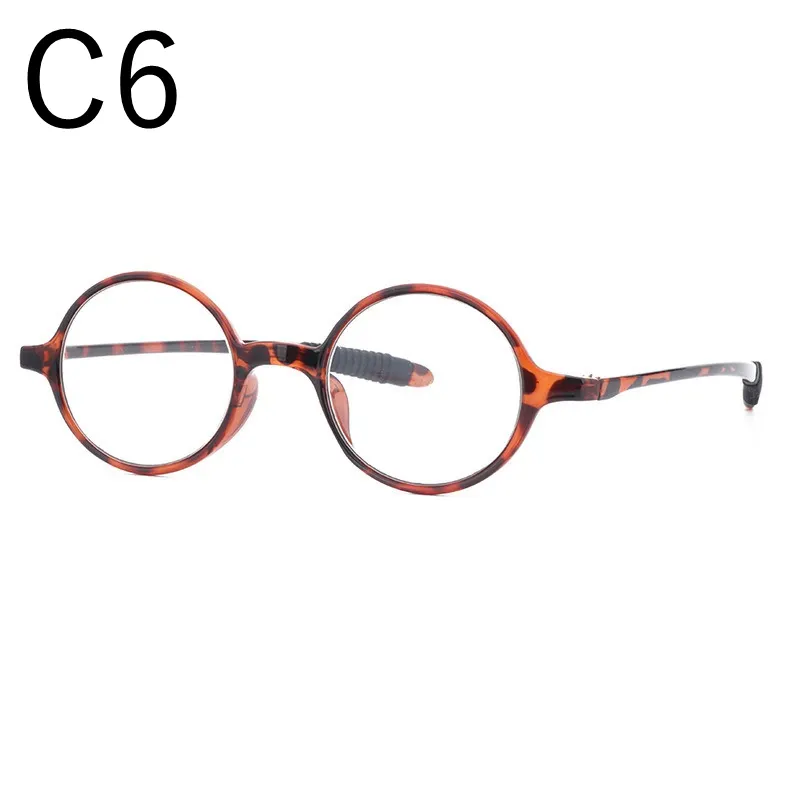
The specific pair I tried is the brand High Quality Wholesale Reading Glasses with a round TR90 frame. It’s described as ultra-light, super elastic, and anti-fatigue. I went with +1.00 power in the C6 color option.
The price was low. Really low. That made me cautious—super cheap usually means low quality. But the TR90 material and the clear sizing info gave me enough confidence to order one pair.
Verdict: When a price seems too good to be true, check the materials listed. TR90 is a legitimate material used in premium frames too—so that’s a good sign.
My Experience Wearing These Glasses
The glasses arrived in about two weeks. Here’s what I noticed right off the bat:
- Weight: Almost nothing. I barely felt them on my face. This is the lightest pair I’ve ever owned.
- Flexibility: I gently bent the temples. They flexed and snapped right back, no cracking sounds.
- Fit: The round frame suited my face shape, and the bridge sat comfortably without sliding.
- Clarity: The +1.00 power was spot on. Text on my phone and in books looked sharp.
I wore them for three hours straight while reading. No headache, no pressure behind my ears. The anti-fatigue claim seemed to hold up for me.
Now, I want to be honest here. The lens quality is decent, but not premium. I noticed a tiny bit of distortion at the very edges. For the price, that’s expected—these aren’t prescription lenses from an optometrist.
Also, the case that came with them was pretty flimsy. I ended up buying a hard case separately. Not a huge deal, but worth mentioning.
Verdict: For casual reading at home, these work great. For driving or all-day professional use, you’d probably want to invest in something higher-end.
Quick Guide: How to Read an Eyeglass Sizes Chart
Since this was my biggest struggle, let me break it down simply:
- First number (e.g., 52): Lens width in mm. Bigger number means a wider lens.
- Second number (e.g., 18): Bridge width—the gap for your nose.
- Third number (e.g., 140): Temple length, the arm that goes over your ear.
Most adults need a lens width between 48 and 55 mm. If you have a narrow face, stick closer to 48. Wider face? Aim toward 55. the brand pair I got was right in the middle range, which works for most people.
Verdict: Print out an eyeglass sizes chart and keep it near your computer. Reference it every time you shop online—it saves returns and frustration.
Pros and Cons
| Pros | Cons |
|---|---|
| Extremely lightweight TR90 frame | Slight lens distortion at edges |
| Super flexible and durable | Flimsy carrying case included |
| Comfortable for long reading sessions | Limited customer support if issues arise |
| Affordable price point | Shipping takes 1–2 weeks |
| Clear size info helps with eyeglass sizes chart matching | Not ideal for heavy prescription needs |
A Word About Customer Service
I want to be upfront here. Some online eyewear sellers have terrible customer service. I’ve read stories about people waiting hours on hold, getting disconnected, and feeling scammed when they need help with returns or scratched lenses. That’s a real risk with budget eyewear.
My advice: treat budget reading glasses as semi-disposable. If you need guaranteed support and warranty coverage, buy from a local optician. If you’re okay with the trade-off of a low price and limited support, these work fine.
Verdict: Research the seller’s return policy before you buy. Screenshot it. Know what you’re getting into.
My Final Verdict
I’m genuinely thrilled with these the brand TR90 reading glasses for what they are. They solved my eyeglass sizes chart problem because the listing was so clear about measurements. And the frame is a game-changer for comfort—I’m blown away by how light they feel.
Are they perfect? No. The lens edges aren’t flawless, and the case is cheap. But for under-20-dollar reading glasses that I use at home? I can’t imagine living without them now.
Here’s your action plan:
- Research: Measure glasses that already fit you
- Compare: Match those numbers to the eyeglass sizes chart on any product listing
- Check reviews: Look at real buyer photos, not just stock images
- Buy smart: Start with one affordable pair before committing to expensive frames
That’s exactly what I did, and it finally worked. Good luck finding your perfect fit.