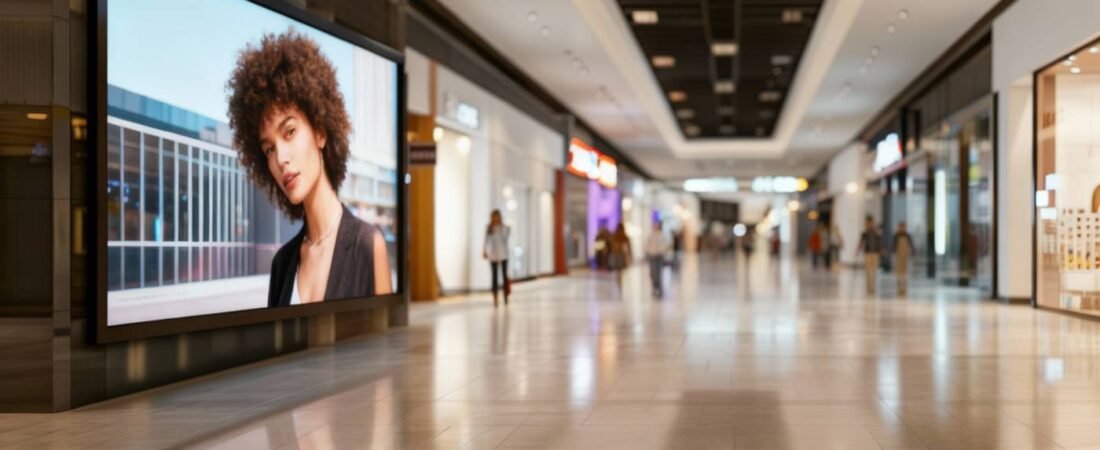
As businesses and communities become increasingly aware of environmental responsibility, the choice of signage technology has significant implications for sustainability. Traditional signage—whether neon, incandescent, or fluorescent—has long been a staple for advertising, wayfinding, and promotional purposes. However, modern LED technology has emerged as a more environmentally friendly and energy-efficient alternative. Among these innovations, the led sign board stands out as a highly sustainable solution for both indoor and outdoor applications.
This article explores the environmental benefits of LED sign boards, comparing them with traditional signage and examining factors such as energy efficiency, lifespan, maintenance, and disposal.
Understanding LED Sign Boards
An led sign board is an electronic display that uses Light Emitting Diodes (LEDs) to illuminate text, images, or video. Unlike traditional bulbs, LEDs are semiconductors that produce light when an electric current passes through them. This technology provides bright, high-contrast visuals while consuming far less energy.
LED sign boards are widely used in retail, transportation, corporate branding, public spaces, and entertainment. Their ability to operate continuously and withstand harsh weather conditions makes them ideal for sustainable and durable signage solutions.
Energy Efficiency of LED Sign Boards
One of the most significant environmental advantages of LED sign boards is their energy efficiency. Compared to incandescent, fluorescent, or neon signs, LEDs consume considerably less power to achieve the same brightness.
Key points about energy efficiency:
- LEDs convert most electricity into visible light rather than heat, making them highly efficient.
- A typical LED sign board consumes 50–70% less electricity than a neon or fluorescent sign of equivalent size.
- Reduced energy consumption directly decreases greenhouse gas emissions associated with electricity production.
For example, a retail store that switches from traditional neon signage to LED displays can save hundreds of kilowatt-hours annually. These savings not only reduce operational costs but also contribute to a smaller carbon footprint.
Longer Lifespan and Reduced Waste
Another important environmental factor is lifespan. Traditional signage often has a limited lifespan: neon tubes can last 10–15 years, fluorescent lights 8–10 years, and incandescent bulbs sometimes only 1–2 years.
LED sign boards, in contrast, are highly durable and long-lasting. High-quality LEDs can operate for 50,000 to 100,000 hours, equivalent to 10–20 years of typical use.
Environmental benefits of longer lifespan:
- Less frequent replacement reduces manufacturing demand for raw materials.
- Fewer signs are discarded, reducing landfill waste.
- Maintenance and replacement activities require fewer transportation resources, reducing emissions.
By choosing LED over traditional signage, businesses not only save money but also minimize environmental impact.
Reduced Heat Emissions
Traditional signage, especially incandescent and neon signs, generates significant heat. This excess heat is wasted energy and can contribute to higher cooling demands in indoor environments.
LED sign boards, however, generate far less heat. Their high efficiency means:
- Less energy is required for the same level of illumination.
- Indoor installations do not contribute to additional HVAC loads.
- Workplace and public space comfort is improved without extra energy use.
Lower heat emissions translate directly into lower energy consumption and reduced environmental impact.
Lower Maintenance and Chemical Usage
Traditional signage often requires more maintenance, which can indirectly affect sustainability. For instance:
- Fluorescent bulbs contain mercury, a hazardous material that must be carefully disposed of.
- Neon signs require periodic gas refills and specialized labor for repair.
- Frequent bulb replacements increase transportation emissions.
LED sign boards, on the other hand:
- Require minimal maintenance due to their durability.
- Avoid toxic materials such as mercury.
- Reduce environmental hazards associated with disposal and replacement.
This makes LED signage safer and more environmentally responsible throughout its lifecycle.
Flexibility Reduces Material Waste
One of the unique sustainability advantages of LED sign boards is content flexibility. Traditional signage often requires physical replacements to update messages, promotions, or graphics. Each new campaign may involve printing, manufacturing, and disposing of old signage.
With LED technology:
- Digital content can be updated instantly without generating additional material waste.
- Businesses can display multiple messages or promotions on a single sign board.
- Seasonal or event-specific messages do not require producing new physical materials.
This ability to change content dynamically reduces the need for physical sign replacements, cutting down on resource consumption and landfill waste.
Comparing Carbon Footprints
When evaluating environmental impact, the carbon footprint of signage is a critical consideration. Factors include energy consumption, material use, manufacturing, maintenance, and disposal.
LED vs Traditional Signage:
| Factor | LED Sign Board | Traditional Signage |
| Energy consumption | 50–70% lower | High |
| Lifespan | 50,000–100,000 hours | 1,000–15,000 hours |
| Maintenance frequency | Low | High |
| Hazardous materials | Minimal | Mercury (fluorescent), gases (neon) |
| Replacement frequency | Rare | Frequent |
| Content flexibility | Digital updates | Physical replacement needed |
Clearly, LED sign boards offer a much smaller carbon footprint over their lifecycle compared to traditional alternatives.
Additional Environmental Advantages
A. Recyclability
- Many LED modules use materials that are recyclable, including aluminum frames, PCBs, and electronic components.
- Proper recycling programs can recover valuable metals and reduce environmental impact.
B. Integration with Renewable Energy
- LED sign boards’ low energy requirements make them ideal candidates for solar-powered or hybrid renewable systems.
- Businesses can install solar panels to power outdoor LED displays, achieving near-zero emissions for signage operations.
C. Compliance with Sustainability Goals
- Many companies aim for carbon neutrality or environmentally friendly certifications.
- Switching to LED sign boards helps achieve sustainability targets and demonstrates corporate responsibility.
Case Studies of Sustainable LED Signage
Several businesses have successfully leveraged LED technology to reduce environmental impact:
- Retail Chains: Major retailers have replaced neon signage in storefronts with LED sign boards, reducing electricity use by up to 60% and lowering maintenance costs.
- Transportation Hubs: Airports and train stations have adopted LED digital boards for schedules and announcements, reducing the need for printed signage and minimizing paper waste.
- Corporate Campuses: Companies using LED outdoor displays for branding and employee communication report significant reductions in energy consumption and replacement frequency compared to traditional signage.
These examples highlight how LED sign boards contribute to both environmental and economic benefits.
Considerations for Maximizing Sustainability
While LED sign boards are inherently more sustainable, businesses can further enhance their environmental performance by considering:
- Energy-efficient controllers and power supplies to minimize electricity use.
- Automatic brightness sensors for outdoor installations to reduce energy during low-light conditions.
- Recycling programs for old LED modules and electronic components.
- Optimized placement to reduce light pollution and improve efficiency.
- Regular maintenance to prolong lifespan and ensure efficient operation.
By taking a holistic approach, businesses can make the most of LED technology while minimizing environmental impact.
Conclusion
The environmental impact of a led sign board is significantly lower than that of traditional signage. LED technology offers numerous sustainability advantages, including energy efficiency, long lifespan, minimal maintenance, low heat emissions, and reduced hazardous materials. In addition, the flexibility of digital content eliminates the need for frequent physical replacements, further reducing resource consumption and waste.
For businesses and communities striving to reduce their carbon footprint, adopting LED sign boards is not only an environmentally responsible choice—it also delivers economic benefits through lower energy and maintenance costs. As sustainability becomes a central priority for organizations worldwide, LED sign boards are set to become the standard for eco-friendly and effective visual communication.