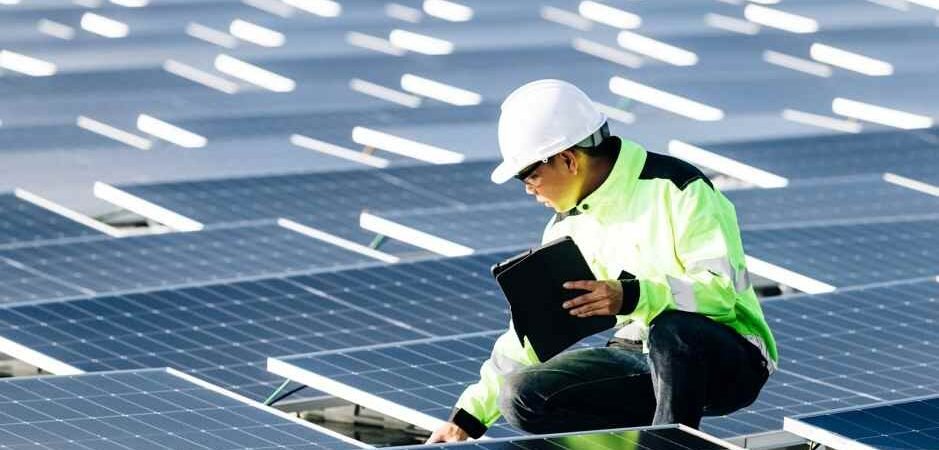
Discover the top financial and environmental advantages of solar panels. Learn how PV technology works, typical installation costs, and how to slash energy bills.
Rising electricity costs and a growing awareness of climate change have prompted a global shift towards sustainable energy. Homeowners and commercial enterprises alike are looking upwards, seeking ways to harness the abundant power of the sun. Transitioning to renewable power sources offers a practical solution to volatile energy markets while simultaneously protecting the environment.
Corporate initiatives often highlight the immense potential of this transition. For instance, the guide to solar panel advantages by Ajinomoto Malaysia clearly demonstrates how investing in renewable energy can significantly reduce a facility’s carbon footprint while keeping operational costs firmly under control. These large-scale industrial projects share the exact same core benefits as residential rooftop installations.
Deciding to install a solar power system is a substantial commitment. By understanding the environmental impact, financial incentives, and the underlying technology, you can make an informed decision about your own energy future. This post explores the fundamental benefits and practical considerations of adopting solar energy.
Protecting the Planet with Solar Power
The most immediate and profound impact of solar energy is its contribution to a healthier environment. Traditional electricity generation relies heavily on burning fossil fuels, a process that releases vast amounts of carbon dioxide and other harmful pollutants into the atmosphere.
Solar panels generate clean, renewable electricity without emitting any greenhouse gases during their operation. A typical domestic solar panel system can offset between 1.5 and 2 tonnes of carbon dioxide every single year. Over a standard 25-year lifespan, a single residential installation can prevent more than 40 tonnes of emissions from entering the atmosphere. This is roughly equivalent to planting fifty trees annually.
Furthermore, photovoltaic power generation requires virtually no water. Conventional power plants consume massive quantities of fresh water for cooling purposes. By relying on the sun, solar energy helps conserve vital water resources, easing the strain on local ecosystems.
Navigating Government Support and Subsidies
To encourage the adoption of green technology, governments worldwide offer various financial incentives that significantly lower the initial barrier to entry. These programmes vary by region but share the common goal of making renewable energy accessible.
Many countries provide substantial tax credits or direct subsidies. For example, residential installations in the UK currently benefit from a 0% VAT rate, which can save homeowners thousands of pounds upfront. Additionally, schemes like the ECO4 grant offer funding for qualifying low-income households to upgrade their energy efficiency.
Internationally, initiatives like Australia’s Small-scale Renewable Energy Scheme (SRES) issue negotiable certificates for the power a system is expected to generate, which can be sold to recoup a large portion of the installation costs. Checking your local authority’s current grants and tax incentives is a crucial first step when pricing up a new system.
Slashing Bills and Boosting Income
The most tangible day-to-day benefit of solar panels is the immediate reduction in your monthly utility bills. Sunlight is entirely free. Once your panels are active, every unit of electricity they generate is a unit you do not have to buy from your energy supplier.
A standard 4-kilowatt system can easily generate enough power to cover a significant portion of an average household’s consumption, particularly if high-energy appliances are run during daylight hours. Many households see their annual electricity costs drop by hundreds of pounds.
Beyond straightforward savings, solar panels can actively generate income. When your system produces more electricity than your property consumes, the surplus is exported back to the national grid. Under schemes like the UK’s Smart Export Guarantee (SEG) or international Feed-in Tariffs, energy suppliers pay you for this excess power. Depending on your provider and the specific tariff rate, this can add a reliable secondary stream of returns over the year.
Practical Considerations for Homeowners
While the benefits are clear, examining the practical realities of installation, costs, and property impact is essential for anyone considering the switch.
The initial outlay for a residential solar array generally falls between £6,100 and £8,100 for a typical 3.5 to 4-kilowatt system. The exact price will fluctuate based on the type of panels selected, the complexity of the roof structure, and scaffolding requirements.
Despite the high upfront cost, the financial returns are highly predictable. The average payback period—the time it takes for energy savings and export tariffs to cover the initial investment—is typically between 6 and 12 years. After this period, the electricity generated is essentially free profit.
Additionally, installing a renewable energy system is a proven way to increase your property’s market appeal. Homes equipped with solar panels often see a noticeable boost in property value. Buyers are increasingly drawn to properties with high energy efficiency ratings and pre-installed green technology, knowing they will inherit lower running costs.
Understanding the Technology
Modern solar installations are highly efficient and remarkably low maintenance, but understanding the basic mechanics helps you get the most out of your investment.
How Photovoltaic Cells Generate Power
Solar panels utilise the photovoltaic (PV) effect to create electricity. The panels contain PV cells, which are typically manufactured from layers of semi-conducting materials like silicon. When sunlight hits these cells, it energises electrons within the material, creating a flow of direct current (DC) electricity.
Because standard household appliances run on alternating current (AC), this electricity is channelled through a solar inverter. The inverter seamlessly transforms the DC power into usable AC power, routing it directly into your home’s consumer unit.
Maintenance and Longevity
Solar panels are built to withstand harsh weather conditions and possess no moving parts, meaning mechanical failure is incredibly rare. Most tier-one panels come with performance warranties lasting 25 to 30 years.
Maintenance requirements are minimal. In many climates, regular rainfall is sufficient to keep the panels clear of dust and debris. If you live in a particularly dry area or near heavy foliage, professional cleaning every year or two will ensure the cells operate at maximum efficiency. The solar inverter is typically the only major component that will need replacing over the system’s lifespan, usually after 10 to 15 years of continuous use.
Maximising Value with Battery Storage
To truly capitalise on solar generation, many households are now integrating battery storage into their systems. Because panels only generate electricity during the day, any power required after sunset must still be purchased from the grid.
A battery system stores the surplus energy generated during peak sunlight hours. You can then draw upon this stored power during the evening, significantly reducing your reliance on expensive peak-time grid tariffs. While adding a battery increases the total installation cost, it drastically improves your overall energy independence and provides a reliable backup during power cuts.
Embracing a Sustainable Energy Future
Deciding to invest in solar power is a forward-thinking choice that yields reliable financial returns while actively supporting environmental preservation. From reducing reliance on volatile fossil fuel markets to adding tangible value to your property, the advantages are undeniable.
If you are ready to explore your options, begin by reviewing your recent energy bills to understand your usage patterns. Next, assess your roof’s orientation and potential shading, and reach out to certified local installers to gather a few competitive quotes. By taking these practical steps, you can turn your property into a clean, self-sustaining power station for decades to come.
#Solar Panel Advantages: Costs, Savings & Environmental Benefits
Want to learn more? Read: Complete guide to solar panel advantages 7 powerful benefits for a greener future