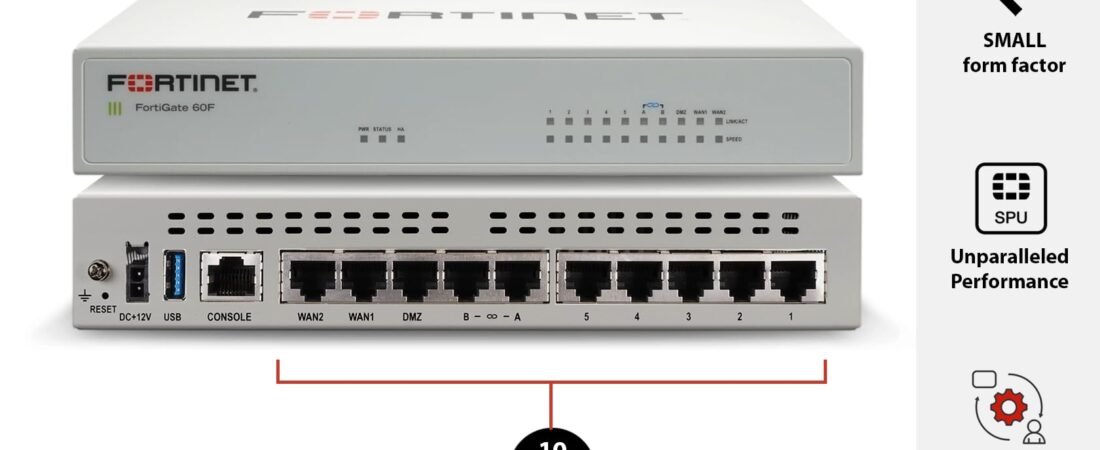
Managing network security across a distributed enterprise often feels like spinning plates. As your network expands, keeping configurations consistent and policies up to date becomes increasingly difficult, exposing your organisation to security gaps and compliance risks. This is where fortimanager steps in as a critical component of the Fortinet Security Fabric. It serves as a centralised management solution, allowing administrators to command their entire security infrastructure from a single console rather than logging into individual devices.
By consolidating management, organisations can drastically reduce the complexity of their security operations. Whether you are managing a handful of Next-Generation Firewalls (NGFWs) or thousands of devices across global sites, the ability to orchestrate changes efficiently is paramount. Without a tool like this, the administrative burden can overwhelm IT teams, leading to burnout and, inevitably, mistakes.
In this guide, we will explore how to leverage this powerful tool to automate policy deployment and ensure rigorous compliance. We will look at how moving away from manual configuration effectively creates a more robust, resilient, and audit-ready security posture for your business.
The Power of Policy Automation
One of the most significant advantages of using centralized management is the ability to automate policy deployment. In a traditional setup, applying a new security rule across multiple branch offices would require an administrator to manually configure each firewall. This process is not only time-consuming but also prone to human error—a misspelt IP address or an incorrect port number can leave a network vulnerable.
Eliminating Configuration Drift
Automation solves the problem of “configuration drift”, where device settings slowly diverge over time due to ad-hoc changes. With centralized management, you define a “Golden Image” or a standard policy package. When you push this package to your managed devices, you ensure that every firewall enforces the exact same security standards. If a local change is made that conflicts with the central policy, the system can identify and override it during the next synchronization, maintaining the integrity of your security posture.
Speed and Scalability
Automation also brings unparalleled speed. Using scripts and templates, you can provision new devices in minutes rather than hours. For example, if you are rolling out a new SD-WAN configuration to fifty retail locations, you can configure the template once and push it to all devices simultaneously. This capability is essential for businesses that need to scale quickly or respond immediately to emerging threats.
Mastering Compliance Management
For many industries, regulatory compliance is not optional—it is a strict requirement that comes with heavy penalties for non-adherence. Whether you are dealing with GDPR, PCI DSS, or HIPAA, demonstrating that your network is secure is just as important as securing it.
Audit Trails and Revision History
FortiManager excels at providing the visibility required for audits. It maintains a comprehensive revision history for every policy package and device configuration. Every time a change is made, the system records who made the change, what was changed, and when it happened. This granular audit trail is invaluable during a compliance audit, as it allows you to prove that strict change control processes are in place and being followed.
Pre-defined Compliance Reports
Beyond tracking changes, the platform offers tools to actively monitor compliance status. You can run reports that check your current configurations against industry best practices and regulatory standards. If a device is using a weak encryption protocol or has an overly permissive rule, the report will flag it. This allows security teams to be proactive, fixing potential violations before an auditor ever sees them.
Centralised Management: A Single Pane of Glass
The concept of a “single pane of glass” is frequently discussed in IT, but its practical application in network security is transformative. Centralised management aggregates data and control, giving you a holistic view of your network’s health and status.
Efficient Device Lifecycle Management
From provisioning a new firewall to decommissioning an old one, the entire lifecycle can be managed centrally. Firmware updates, which are critical for patching vulnerabilities, can be scheduled and deployed to groups of devices during maintenance windows. This ensures that your fleet is always running the latest, most secure software version without requiring an administrator to manually update each unit.
Visibility and Monitoring
While deep packet inspection and log analysis are often handled by companion tools like FortiAnalyzer, the management console provides essential operational visibility. You can see which devices are online, check their resource usage, and monitor the status of VPN tunnels and SD-WAN links. This immediate feedback loop allows teams to spot network outages or performance bottlenecks instantly, often resolving issues before end-users are even aware of them.
Best Practices for Maximising Efficiency
To truly get the most out of your centralized management investment, it is important to follow a few best practices. Simply connecting your devices is a start, but structuring your environment correctly will save you headaches down the line.
Use Administrative Domains (ADOMs)
If you manage a large network or are a Managed Security Service Provider (MSSP), you should utilise Administrative Domains (ADOMs). ADOMs allow you to group devices and policies logically—perhaps by geographic region, customer, or device type. This segregation ensures that a change made to a set of firewalls in the UK office does not accidentally impact the manufacturing plant in Germany. It also allows for granular role-based access control, ensuring administrators only have access to the devices they are authorised to manage.
Enable Workflow Mode
For critical environments, enabling Workflow Mode is highly recommended. This feature adds an approval layer to the configuration process. When a junior administrator makes a change to a policy, it does not go live immediately. Instead, it is saved as a pending change that must be reviewed and approved by a senior administrator. This “four-eyes” principle is a classic compliance requirement and significantly reduces the risk of operational errors causing downtime.
Optimise Your Objects
Over time, firewall configurations can become cluttered with unused objects—old IP addresses, services that are no longer needed, or duplicate user groups. Regularly auditing and cleaning up your object database keeps your policy packages small and efficient. Centralised management allows you to see where objects are used (or if they are unused), making this cleanup process much safer than doing it on a live firewall.
Taking Control of Your Network Security
In an era where cyber threats are automated, your defence mechanisms must be automated too. Relying on manual configuration for complex networks is no longer a viable strategy. By implementing a centralized management tool, you gain the ability to deploy policies rapidly, ensure rigorous compliance across your estate, and maintain total visibility over your operations.
The transition from reactive, manual management to proactive, automated orchestration is a significant step forward in maturity for any IT security team. It frees up valuable time for skilled engineers to focus on threat hunting and strategic improvements rather than mundane administrative tasks.
If you are looking to harden your security posture and simplify your operations, exploring the capabilities of centralized management is the logical next step.